Featured
The Best Guide To Creating Post-Bankruptcy Financial Plan...
Indicators on Is Integrating Financial Wellness into Ever...
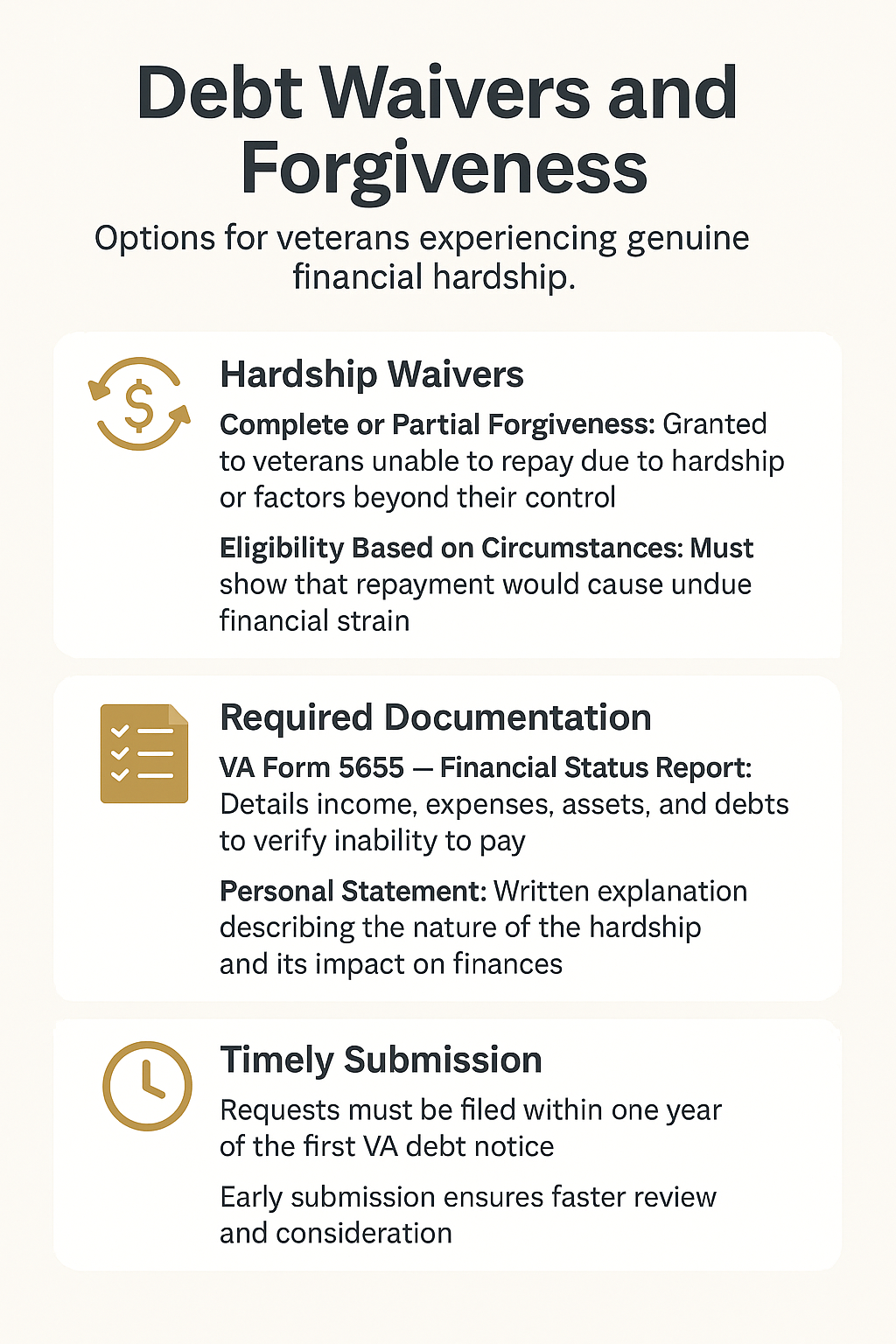
Excitement About Regulatory Factors Regarding Financial counseling for veterans in North Carolina who feel trapped by credit card debt
Table of Contents
If you quit paying your bills, you will usually sustain late costs, charge rate of interest and various other fees, and financial institutions will likely tip up their collection initiatives versus you. A few of your lenders may refuse to work with the business you choose. In most cases, the financial debt negotiation business will be incapable to work out every one of your financial debts.
You could be charged costs for using this account. Functioning with a financial debt negotiation firm may result in a financial institution submitting a debt collection lawsuit versus you. Unless the financial obligation settlement business clears up all or many of your debts, the built-up penalties and costs on the unsettled debts might eliminate any kind of savings the financial obligation settlement business accomplishes on the debts it works out.
Unsecured Debt Relief Explained Can Be Fun For Everyone
Warning: Financial obligation settlement may well leave you much deeper in financial debt than you were when you began. The majority of debt settlement companies will ask you to stop paying your financial obligations to get creditors to work out and in order to gather the funds required for a negotiation. This can have an adverse impact on your credit report score and may lead to the creditor or debt collector filing a lawsuit while you are gathering funds required for a settlement.

Individuals might represent themselves in insolvency court or speak with a personal bankruptcy attorney if they feel they need to pursue this choice. In a Phase 7 bankruptcy, the person might require to market some of their assets to pay a portion of the impressive financial debt. In a Phase 13 insolvency, the court restructures the outstanding financial obligations so the person may pay all or some of the agreed-upon balance over three to five years.
Guaranteed debt, like a home loan, that includes collateral (generally the funded residence), and unsafe financial debt, like charge card financial obligation, are dealt with differently during an insolvency. And there are various sorts of insolvencies, so make certain to study which alternative may be best for your scenario.
Starting Assessment and What to Ask Things To Know Before You Buy
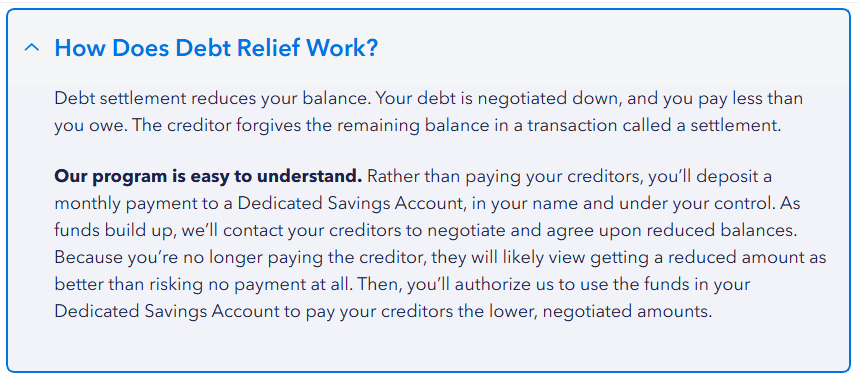
In order for this to function, you require to allot a designated amount of cash monthly that will certainly be made use of to make the settlement deal to your financial institutions. Yet similar to various other forgiven debt, the amount you don't pay may trigger a tax obligation expense. It's most likely you'll have damage to your credit report given that couple of providers will certainly bargain with you if you're existing on your repayments.
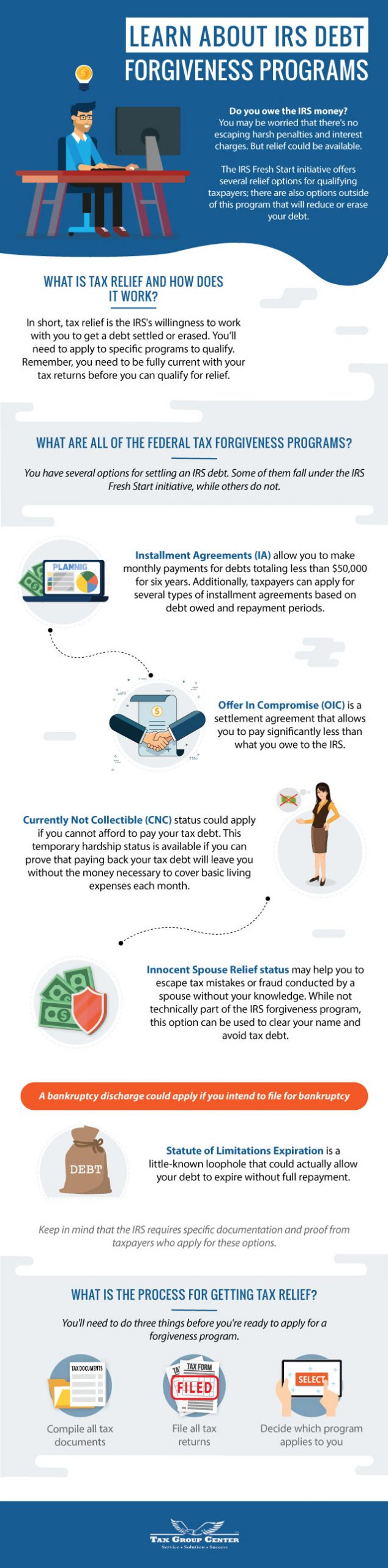
Another alternative that people can take a look at is declaring Chapter 7 personal bankruptcy. Personal bankruptcy filings halt collection actions and claims, and a Phase 7 filing can legally get rid of financial obligation and end garnishments. To locate financial obligation alleviation alternatives, complete our type or, much better yet, call us currently and we'll match you with the most effective service for your scenario absolutely free.
The Best Guide To Your Protection
Do not struggle any kind of longer. Provide us a telephone call. When life occurs, we're here for When Life Takes Place 844-402-3574 Table of Component Charge card financial obligation mercy is an economic alleviation alternative that permits individuals having problem with high balances to have a portionor, in rare cases, the entiretyof their debt removed.
Unlike personal bankruptcy, which is a legal procedure, or debt negotiation, which includes paying a worked out quantity, financial debt forgiveness means the loan provider cancels a part of what you owe. For customers drowning in credit card financial obligation, this can be a lifeline. Nevertheless, it's important to comprehend exactly how it functions, that certifies, and the possible drawbacks prior to seeking this alternative.
This is usually reserved for extreme scenarios where a debtor is economically unable of paying off the full quantity. Some charge card companies supply programs where they lower or forgive component of the financial debt for debtors that are having a hard time as a result of task loss, clinical emergency situations, or other financial situations. This entails bargaining with lenders to pay a reduced quantity for shutting the account.
Little Known Questions About Your Protection.
: As soon as a debt is forgiven, debt collector have no insurance claim on that amount.: For those sinking in the red, mercy provides a chance to reset their funds and start rebuilding their credit.: Oftentimes, forgiven debt is considered taxed earnings by the internal revenue service, which indicates you can finish up with an unanticipated tax obligation expense.
It calls for settlement, paperwork, and often a lengthy procedure. And also, if a loan provider forgives a portion of your debt, they may still need partial settlement. Not all financial obligation is forgiven similarly. Whether you qualify depends upon your economic circumstance, financial institution plans, and readily available programs. Some loan providers provide structured challenge programs, while others might only think about forgiveness if you seek negotiation or insolvency.
This is not a common technique, and it usually occurs under certain conditions, such as: (task loss, impairment, medical emergency). (lending institutions may write off old debts as uncollectible). where a borrower pays a decreased amount for the remainder being forgiven.: A lender reduces the complete amount owed, however you still need to pay a section.
Lenders favor negotiation over outright mercy due to the fact that it ensures they recover some of the money. Financial debt mercy is typically a last resort when they think there's no chance of full payment.
Some Of What to Watch For While Selecting Forgiveness Help
: Not-for-profit credit report counseling organizations, such as those associated with the National Structure for Credit Counseling (NFCC), help customers understand their financial alternatives and overview you to a program that finest fit your situation.: A DMP is not precisely financial obligation mercy, yet it enables customers to repay debts on more desirable terms, commonly at reduced rate of interest rates.
Bank card financial obligation forgiveness programs usually focus on consumers experiencing significant financial difficulty. Qualification requirements commonly include job loss, medical emergencies, or impairment resulting in earnings loss. A high debt-to-income (DTI) proportion, indicating a big portion of revenue committed to financial debt payment, is another typical element. Programs may also consider situations where necessary expenses, such as clinical expenses or basic living expenses, surpass earnings, developing unmanageable monetary stress.

Table of Contents
Latest Posts
The Single Strategy To Use For How Debt Counselors Help Clients to Reach Financial Relief
The Best Guide To Creating Post-Bankruptcy Financial Plan for Long-Term Security
Indicators on Is Integrating Financial Wellness into Everyday Life: A Path to Peace and Prosperity : APFSC Right for Your Family You Need To Know
More
Latest Posts
The Single Strategy To Use For How Debt Counselors Help Clients to Reach Financial Relief
The Best Guide To Creating Post-Bankruptcy Financial Plan for Long-Term Security